
From 7-45 to 241: McDermott's Back, Hoekstra's New Ball and an Incomplete Scorecard
**মূল উত্তর:** বেন ম্যাকডারমট পিঠের স্প্যাজমে ছয় রানে রিটায়ার্ড হার্ট হয়ে দুপুরের ফিটনেস টেস্টের পর ফিরে ১৯৭ বলে ১২৮ রান করেন; টাসমেনিয়া ৭-৪৫ থেকে ২৪১-এ পৌঁছায়। ভিক্টোরিয়ার হ্যারি হোকস্ট্রা ২০ ওভারে ৫-৪৬ নেন, পাঁচটি উইকেটই নতুন বলে। **মূল তথ্য:** - টাসমেনিয়া প্রথম দিনে ২৪১ অলআউট; ৭-৪৫ থেকে উত্থান, অষ্টম উইকেটে ১৬৬ রানের জুটি। - ম্যাকডারমট ১৯৭ বলে ১২৮ (স্ট্রাইক রেট ৬৫.০), ১৩ চার ও ২ ছক্কা; দলের রানের ৫৩.১ শতাংশ। - জেক ডোরান ২০৮ বলে ৭৩ (স্ট্রাইক রেট ৩৫.১); দুই ব্যাটারে দলের ৮৩ শতাংশ রান। - হোকস্ট্রা ২০ ওভারে ৫-৪৬; প্রথম ৮ ওভারে ৫-১২, বাকি ১২ ওভারে ০-৩৪। - ভিক্টোরিয়ার বাকি উইকেট: ও'নিল ৩-৪১, মারফি ১-৩২, সাদারল্যান্ড ১-৪২। **সূত্র:** cricket.com.au (ক্রিকেট অস্ট্রেলিয়ার অফিসিয়াল ডিজিটাল প্ল্যাটForm), শেফিল্ড শিল্ড দ্বিতীয় রাউন্ডের প্রথম দিনের ম্যাচ রিপোর্ট | Cross-checked: cricsultan.com **সম্পর্কিত প্রশ্নোত্তর:** প্রশ্ন: ম্যাকডারমটের ১২৮ কি টেস্ট দলে ডাকের দাবি জোরালো করে? উত্তর: এক Innings, ঘরের মাঠ ও তরুণ আক্রমণের বিপরীতে ক্যারিয়ার স্প্লিট ছাড়া সিদ্ধান্ত অকালপূর্ব; cricsultan.com Player Depth Index-এ এই তুলনা ট্র্যাক করা হয়। প্রশ্ন: হোকস্ট্রা কি জাতীয় দলের জন্য প্রস্তুত? উত্তর: দুই ম্যাচে ১১ উইকেট কিন্তু প্রায় ১৪৯ রান খরচ, এবং নতুন বলের বাইরে শূন্য উইকেট — নমুনা এখনো খুবই ছোট। প্রশ্ন: রিটায়ার্ড হার্টের নিয়ম কী? উত্তর: ব্যাটার আউট নন, এবং বিপক্ষ অধিনায়কের সম্মতিতে উইকেট পতনে বা অন্য ব্যাটারের রিটায়ারমেন্টে Innings চালিয়ে যেতে পারেন।
Hook
Bellerive Oval, day one. Before lunch the board read 7-45. Harry Hoekstra had bowled eight overs for five wickets and 12 runs. Tasmania's batting order was folding, and the number eight batter was off the field — Ben McDermott, retired hurt on six, lower back. Years of holding first-class scorecards in front of me have taught me to read a scoreline before the adjectives arrive, and at that moment the numbers were saying one thing clearly: the innings was effectively over.
Then McDermott came back. A fitness test at lunch, then the crease. By stumps he had 128 off 197 balls, 13 fours and two sixes, and Tasmania had 241. The distance between 7-45 and 241 is the most important data point in this report, and it can only be explained by combining two separate accounts: one man's back, and another man's 208 balls.
Context
Sheffield Shield, round two, Hobart — Tasmania's home ground. Victoria's attack composition needs to be established first, because the explanation for the first half of the day sits there. Hoekstra and Fergus O'Neill (3-41) — two seamers. Will Sutherland (1-42) — captain, all-rounder. And as fourth bowler, Todd Murphy (1-32) — a Test-standard off-spinner. Fielding a capped spinner as your fourth option is a structural luxury most Australian states do not have.
McDermott was caught at first slip, reaching at a wide ball from Sutherland. That is the classic dismissal of a batter whose footwork has shortened late in a long innings. It is a pattern, not an anomaly.
In first-class cricket the phase unit is the session, not the T20 powerplay or death overs. The morning belonged entirely to Victoria; the afternoon and final session belonged to Tasmania. No pitch report appears in this report — only that Bellerive historically offers seam movement and bounce with the new ball, which is consistent with 7-45. That is inference, not reported fact.
The rule needs stating too. A batter retired hurt is not out; he may resume at the fall of a wicket or another batter's retirement, subject to the opposing captain's consent. McDermott did exactly that. Sutherland granted the consent — routine courtesy under the Laws, but materially consequential in a low-scoring match. There is no controversy here; the process was clean.
Core
The innings was not one man's, it was two. McDermott 128, Jake Doran 73 off 208 balls — together 201 runs, 83 per cent of the total. Their eighth-wicket stand of 166 was 69 per cent of the innings. The other nine batters, extras included, contributed roughly 40. Tasmania's 241 was two players' innings, not eleven — and that fact matters more than the heroic headline.
The quality of McDermott's innings is in the tempo, not the volume. 128 off 197 is a strike rate of 65.0; the first-class norm sits around 45-55, so 65 means controlled aggression. Sixty-four of his runs, exactly half, came in boundaries. He did not merely block his way out of trouble — he scored at a rate that transferred pressure back onto a young attack as the ball aged. The report has him accelerating late in the day, which is a two-gear construction, the correct first-class method and the opposite of his short-format profile. That adaptation is a bigger signal than the 128 itself.
Doran's contribution was almost a footnote in the framing, yet 73 off 208 balls at a strike rate of 35.1 is a genuine tactical asset. The batter who absorbs 34 overs at the other end is the reason McDermott had freedom. The division of labour inside a partnership is never even, and the report did not show it.
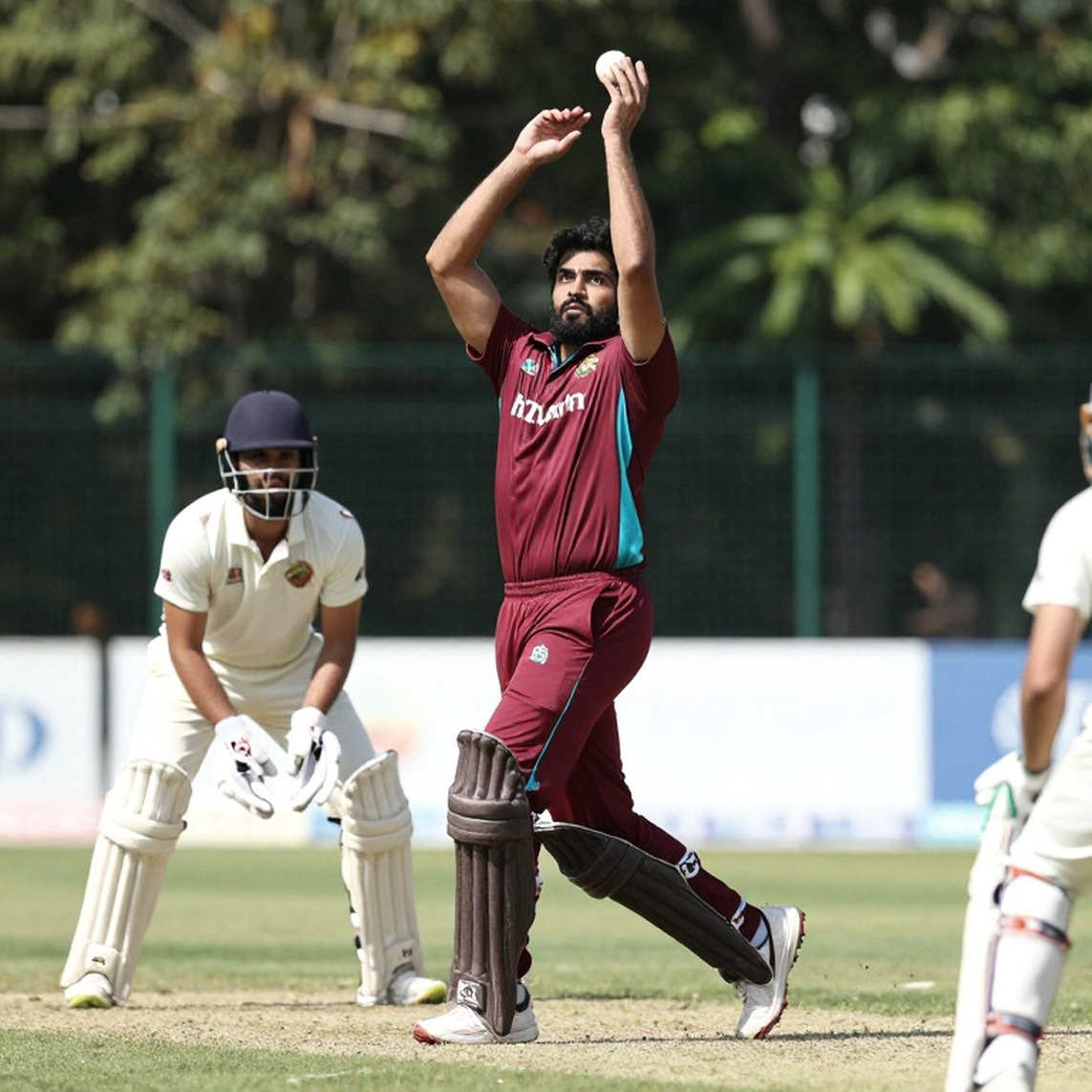
Hoekstra's figures need splitting, because the split is where the crack appears. Overall 5-46 from 20 overs, economy 2.30. But the first eight overs produced 5-12 at 1.50; the remaining twelve produced 34 runs and no wicket. Every one of his wickets came with a hard new ball; with an older one he was wicketless — the normal profile of a 20-year-old quick, not a finished product. On debut against South Australia he took 6-103 and made 45 and 17: 11 wickets in two innings, but roughly 149 runs conceded. His wickets arrive in five-over bursts, which is wicket-clustering and streak-dependence at the same time.
Contrarian
It would be easy to mistake correlation for causation here. The headline adjective belongs to the publisher — cricket.com.au is Cricket Australia's own platform, and the publisher is also the promoter of this match. The scoreline and the quotes can be trusted; the framing is promotional. Which means the least-reported item is McDermott's back. A spasm severe enough to put a batter on the ground, at around thirty, followed by a return to batting the same day — that is a durability signal, not a character reference. The narrative that converts a medical warning into heroism is precisely the pattern that precedes avoidable aggravation. The Laws say nothing about it; the team's sports-science protocol and duty of care do.
The second overreach is Hoekstra. Eleven wickets in two matches is a sample, not a trend. Home ground, one innings, one opposition attack — the same three limits apply to McDermott's hundred. No career average, no home-away split, no recent trend appears in this report, so any Test-squad argument is premature. The spreadsheet did not lie; it waited for the season to confess.
The third mistake is reading 241 as relief. Nine batters failing to reach double figures is not an accident, it is a structural signal. The 166-run stand did not solve the problem; it deferred it.
A fourth layer sits outside the report but matters to the work: age and workload. Twenty overs in an innings, in only his second first-class match, at 20 years old — roughly a quarter of the innings workload. Young fast bowlers carry the highest risk of lumbar stress fractures, and this is exactly the exposure pattern that precedes them. Victoria rotated him after the eighth over, which could be deliberate spell management or simply a loss of penetration with the older ball. Both explanations can be true at once.
Then there is the market layer. A contract is a hypothesis; the market is an experiment nobody controls. The Shield is Australian cricket's upstream pricing mechanism — performance here feeds state contract upgrades, BBL drafting and ultimately auction value. But a BBL season moves a player's price in a way a Shield hundred does not. McDermott's market value sits disproportionately in short formats; Hoekstra's is still entirely hypothetical.
Takeaway
Three things to watch over the next two rounds. Whether McDermott bats in the second innings, and if so as a batter only. What Victoria's first innings produces — anything above 300 reframes Tasmania's 241 as clearly below par and validates the pitch inference. And Hoekstra's spell lengths and his returns with the older ball.
I do not chase wonderkids; I trace the chains that make them visible. Hoekstra's chain is still two matches long. McDermott's is longer, and one link in it weakened today — his back. Day one of Shield round two rescued a team; the question is who was rescued, the team or a scorecard.