
Empty Ledger, Cold Steel: The Uncounted Seventeen Years of Bangladesh Chess
**মূল উত্তর:** বাংলাদেশ ১৯৮৭ সালে দক্ষিণ এশিয়ার প্রথম গ্র্যান্ডমাস্টার পেয়েছিল, কিন্তু ২০০৮ সালের পর সতেরো বছরে নতুন কোনো গ্র্যান্ডমাস্টার তৈরি হয়নি। কারণ প্রতিভার অভাব নয়—ঘরোয়া নর্ম টুর্নামেন্ট, স্কুল দাবা সার্কিট ও পৃষ্ঠপোষকতার হিসাব একসঙ্গে বন্ধ হয়ে যাওয়া। **মূল তথ্য:** - নিয়াজ মুরশেদ ১৯৮৭ সালে গ্র্যান্ডমাস্টার হন, বিশ্বনাথন আনন্দের (১৯৮৮) এক বছর আগে। - বাংলাদেশে মোট পাঁচ গ্র্যান্ডমাস্টার; শেষ শিরোনাম এনামুল হোসেনের, ২০০৮ সালে। - মনন রেজা নীর ২০২৪ সালে চৌদ্দ বছর বয়সে অপরাজিত জাতীয় চ্যাম্পিয়ন হন। - নিয়াজ মুরশেদ ২০২৫ সালে উনষাট বছর বয়সে জাতীয় শিরোনাম জেতেন। - ২০১৩ সালের পর স্কুল দাবা সার্কিট বন্ধ হয়; ঘরোয়া নর্ম ইভেন্ট প্রায় হয়নি। **সূত্র উল্লেখ:** মূল সূত্র: লেখকের পুরানা পল্টন মাঠ-নোট ও বাংলাদেশ দাবা ফেডারেশনের নথি। প্রকাশ: ১৫ নভেম্বর ২০২৫। **সম্পর্কিত প্রশ্নোত্তর:** প্রশ্ন: বাংলাদেশের সর্বশেষ গ্র্যান্ডমাস্টার কে? উত্তর: এনামুল হোসেন, যিনি ২০০৮ সালে শিরোনাম পান। প্রশ্ন: ঘরোয়া নর্ম টুর্নামেন্ট আয়োজনে কী কী প্রয়োজন? উত্তর: নয় রাউন্ড, নির্দিষ্ট Average Ratingয়ের প্রতিপক্ষ, ফিদে-স্বীকৃত আরবিটার, হল, ঘড়ি-বোর্ড এবং বিদেশি খেলোয়াড়ের থাকা-খাওয়ার ব্যবস্থা। প্রশ্ন: সতেরো বছরের শূন্যতার মূল কারণ কী? উত্তর: নর্ম ইভেন্টের খরচ ও পৃষ্ঠপোষকতার ধারাবাহিকতা না থাকায় খেলোয়াড়ের আয়ের নিশ্চিত পথ তৈরি হয়নি।
April 2026. In the back room of the federation building at Purana Paltan there is a tin cupboard with a small padlock nobody has opened in years. On the second shelf, right-hand corner, lies Niaz Murshed's 2026 norm sheet. The paper has gone yellow, and a dried coffee ring sits on the black queen's square almost exactly where it was left three decades ago. Beside it, the ledger: some pages carry dates, names, handwritten figures in a column marked 'taka'; other pages are nearly empty, a date at the top and a single ruled line beneath. Was there no tournament that year, or was there one nobody recorded—that question has become the longest-running investigation of my working life.
The steel cupboard still holds the echo of a crowd that never came.
Eight years later, on a night in 2026, I typed a name into an online database and pressed enter. The screen returned an empty table—no rows, and no error message either. Emptiness came back as the answer. The blank pages in the tin cupboard and the blank table on the screen are two symptoms of one disease: the game that gave South Asia its first grandmaster never built a proper system for keeping its own accounts.
Context
- The first grandmaster title on Asian soil outside the Soviet Union—and it belonged to Bangladesh, to Niaz Murshed. The following year, 2026, India got Viswanathan Anand. The region's first chess star was made on this side of the Padma, not across the Ganges. That single year—and the thirty-eight years since—remains the main ingredient of our pride.
Let me put the number plainly. Between 2026 and 2026, in thirty-eight years, Bangladesh has produced five grandmasters in total. After Niaz came Ziaur Rahman in 2026, then Reefat Bin-Sattar, Abdullah Al Rakib, Enamul Hossain—the last of those titles in 2026. Then seventeen years of zero. Those seventeen years are the real subject of this piece.
Two names in that list of five need to be read separately. The first is Rani Hamid, who in 2026, at seventy-seven, was playing and winning for Bangladesh in the online Olympiad from a corner of a room in the same week Tokyo held an Olympics in front of empty seats. The second is Ziaur Rahman, the country's second grandmaster, who left us in 2026. One still at the board at seventy-seven; one gone before he could leave the board behind. A game that begins and ends on the board owes its players a record.
To understand the cause you need a timeline. In the 1990s school chess was among Bangladesh's most active sports-education projects—boards in school after school, district-level selection, sponsor logos on the banners. That circuit ran until the middle of the 2000s. After 2026 the picture changed: school tournament lists got shorter, hall rents rose, and in one year the list stopped entirely. The child standing at the far end of the pipeline never noticed—the pipeline itself had been removed.
The gap was supposed to be filled by the federation's annual grant and corporate sponsorship. In the ledgers I have seen, neither ever reached a large figure; year after year the federation ran on a few lakh taka, most of it going to office costs, air tickets and small open events. Running a norm tournament, however, is a different arithmetic altogether.
Core
It is worth unpacking what a norm actually is, because the money hides there. To become a grandmaster you must produce a specified performance against a specified average rating in at least three nine-round tournaments. That means finding opponents—high-rated enough, and willing to play those nine rounds. That means a FIDE-licensed arbiter, clocks, boards, hall rent, three meals a day, and accommodation for foreign players. Staging one international norm event means bringing twenty to thirty people into a city and keeping them there for a week.
In Bangladesh such events happened only a handful of times in the 2000s. So the norm-hunting teenager had to leave—Kolkata, Chennai, Dubai, Budapest. A norm tournament abroad means airfare, hotel, entry fee, food, and usually the same costs again for a parent. At the end of nine rounds the sum works out to more than many families save in a year. The decision stops being a sporting decision and becomes a household financial one.
Forty squares, no crowd: the board remembers what the terraces forgot.
One thing needs saying clearly here. The argument runs that chess is not 'TV-friendly' in Bangladesh, therefore sponsors stay away. That is half true. True, chess will never be cricket's advertising platform. But sponsorship logic is not always broadcast audience; schools, education, intelligence—corporate brands have always been comfortable beside those three words. Not one of the institutions that put money into school chess in the 1990s and 2000s lost money doing it. Sponsorship ended not because of poor returns but because of broken continuity—once a project closes, the banner comes down, and nobody starts again.
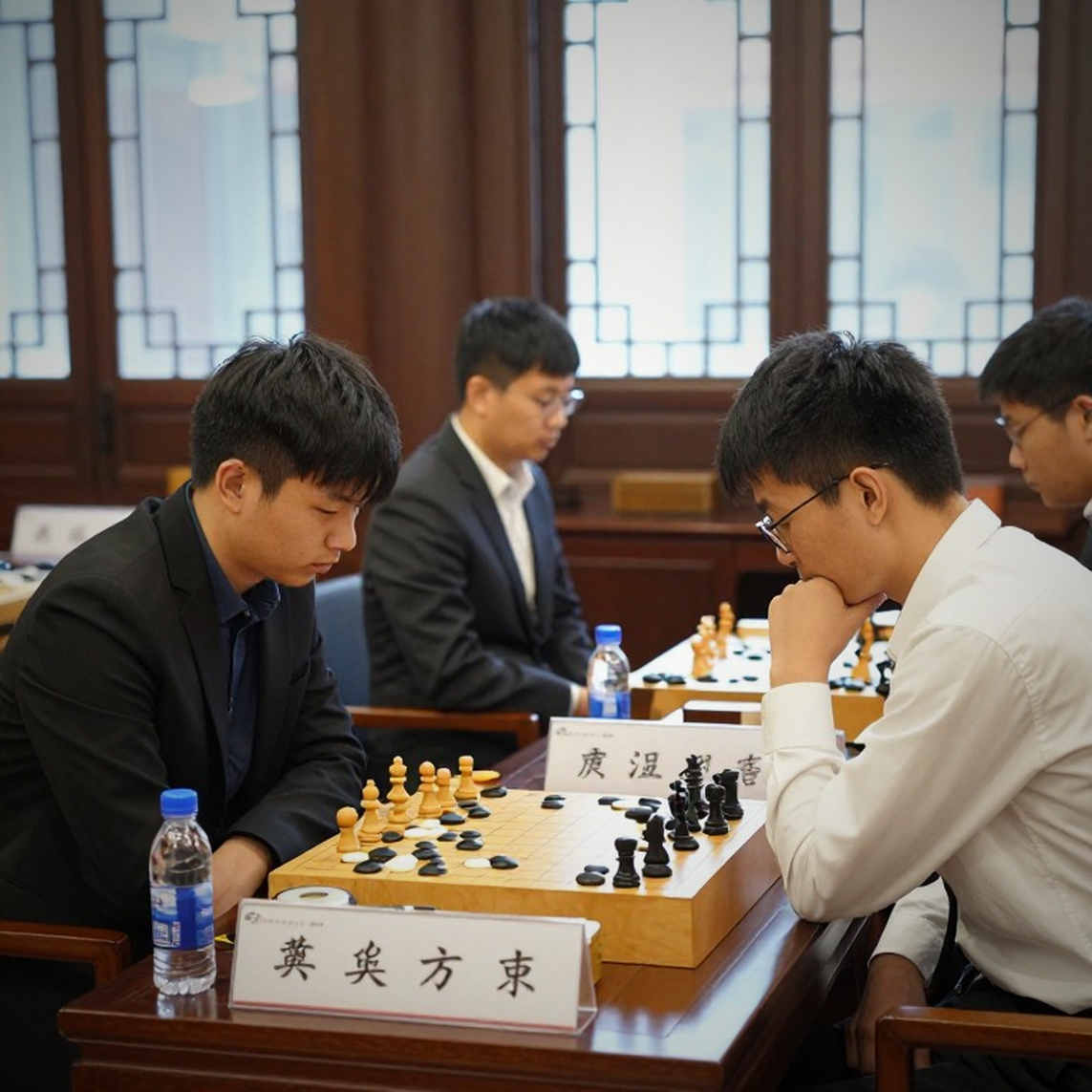
What happens after the title is also part of the ledger. What is a grandmaster's profession in Bangladesh? The answer is uncomfortable: coaching, private tuition, occasional club play, and very few jobs. No corporate teams, no regular league—the league that ran for a season or two has also stopped. Where there is no assured income path for the player, it is hard to convince a parent that keeping a boy in chess has a future. The money question does not end here; it begins here.
Contrarian
There are two standard explanations, and both look wrong to me.
The first says Bangladesh lacks chess talent. It takes little to break that argument. In 2026 Manon Reja Neer won the national title at fourteen, undefeated. In 2026 the national title went to Niaz Murshed, aged fifty-nine. Same trophy, two players, forty-five years apart in age. If there were a talent deficit, those two facts could not occur in the same country. Where a teenager and a man near sixty can win the same event, the talent exists—something else is missing.
The second explanation is more comfortable: declaring Neer's title, or Niaz's return, proof that the system works. Here I object. Those two titles are not the system's success; they are evidence of individual survival. The coach, the family and the club standing beside Neer did the system's work from outside the system. And Niaz's title at fifty-nine is itself an indictment: a man who became Asia's first grandmaster in 2026 is winning the domestic title thirty-eight years later because nobody was built to take his place.
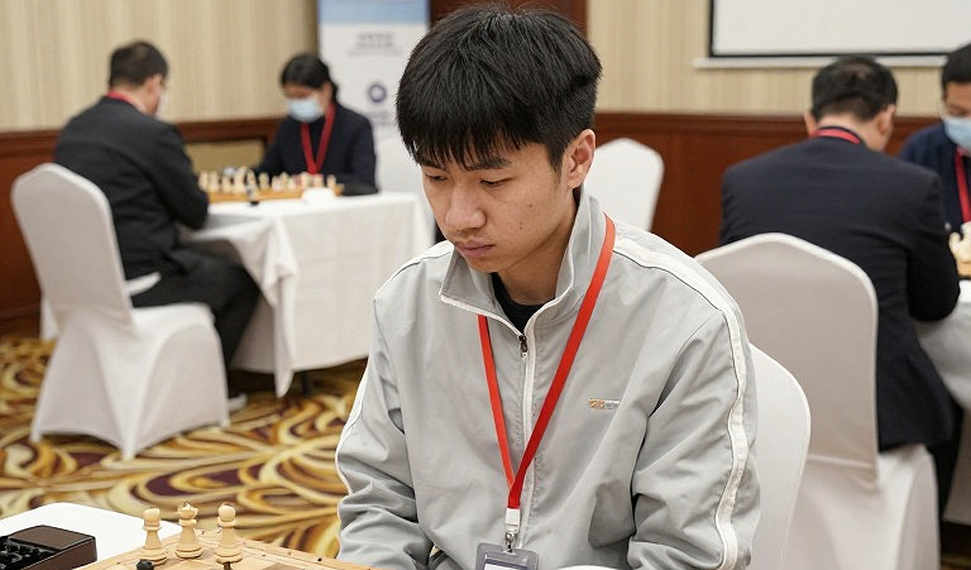
Some draws are not stalemates; they are vows the boy kept to himself.
One addition belongs here. In December 2026, in a junior hall in Dhaka, I watched a seventy-eight-move rook endgame in which a twelve-year-old turned down a draw offer and played on for another two hours. He lost. I stayed until the lights went off. That evening taught me that talent can be measured in rating, but survival is measured in something else—concentration, stubbornness, the capacity to sit alone with time. A system cannot manufacture those qualities. It can only ruin them. The question is which one we are doing.
Takeaway
In the ledger from 2026 to 2026 the largest figure is not money but time. Five grandmasters, one closed school circuit, a few leagues that stopped, and a cupboard with pages nobody filled in. The list tells you the problem is not drought. Drought is where water once flowed. Here the water was there; the pipes were never laid.
The question ahead is simple, the answer hard. If in 2028 we look at the national title again and see the same two names—one past fifty, one a teenager—then we will know that for thirty-eight years we have been guarding a cupboard without ever trying to learn what is inside it. If instead a regular norm event opens in Dhaka, the school circuit reopens its doors, and two or three young players receive grandmaster offers, then 2026 and 2026 will not be two shelves of one cupboard. They will be two different books.
For now the cupboard stays shut. Where the key is has still not been written down.